
STK push integration tied to the originating sale
This capability is part of the core platform.
M-Pesa isn't a side feature added to the till - it's built into how every sale is recorded.
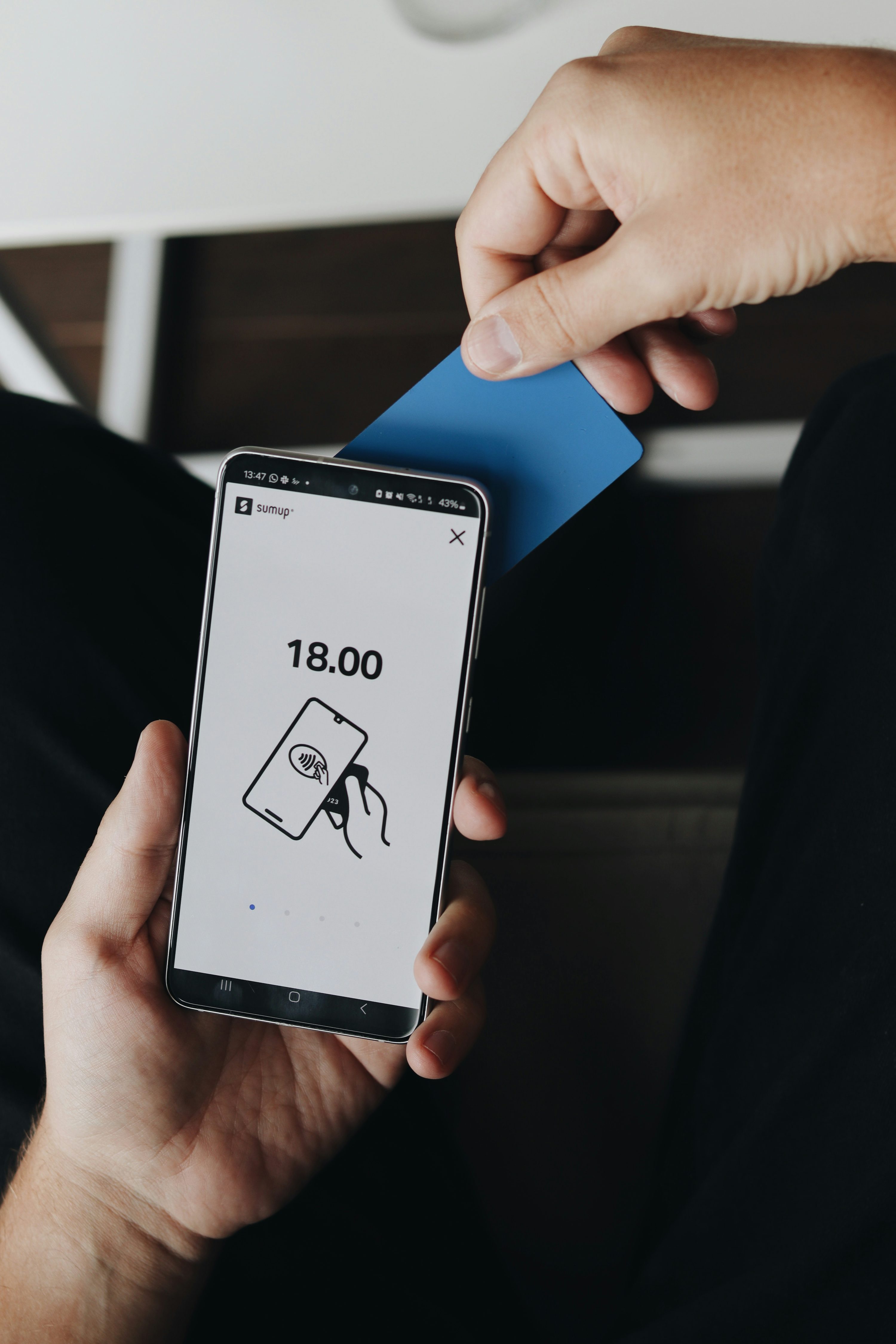
For most Kenyan businesses, M-Pesa isn't optional - it's often the majority of transactions. And yet in a lot of systems, it's treated as an afterthought: a separate payment method that has to be manually matched to a sale after the fact, by someone squinting at an M-Pesa message and a till receipt at the end of a long day, hoping the numbers line up.
STK push payments are tied directly to the specific sale that triggered them at the moment of the transaction - not reconciled afterward by a person cross-checking two separate records. Per-tenant Daraja credentials mean each business's M-Pesa integration is its own, secure and separate from every other business on the platform. When a customer pays, the system already knows which sale that payment belongs to.
We looked at how much of a typical Kenyan retail day's admin time goes into manually reconciling M-Pesa payments against sales - and decided that entire category of work should not exist. If the payment method is the dominant one in the country, it should not be the one the software treats as an exception.
This capability is part of the core platform.
This capability is part of the core platform.
This capability is part of the core platform.
This capability is part of the core platform.
The best setup depends on how your branches, payments, and stock actually work today.
Talk to us